How to track renovation costs, and which receipts the ATO needs
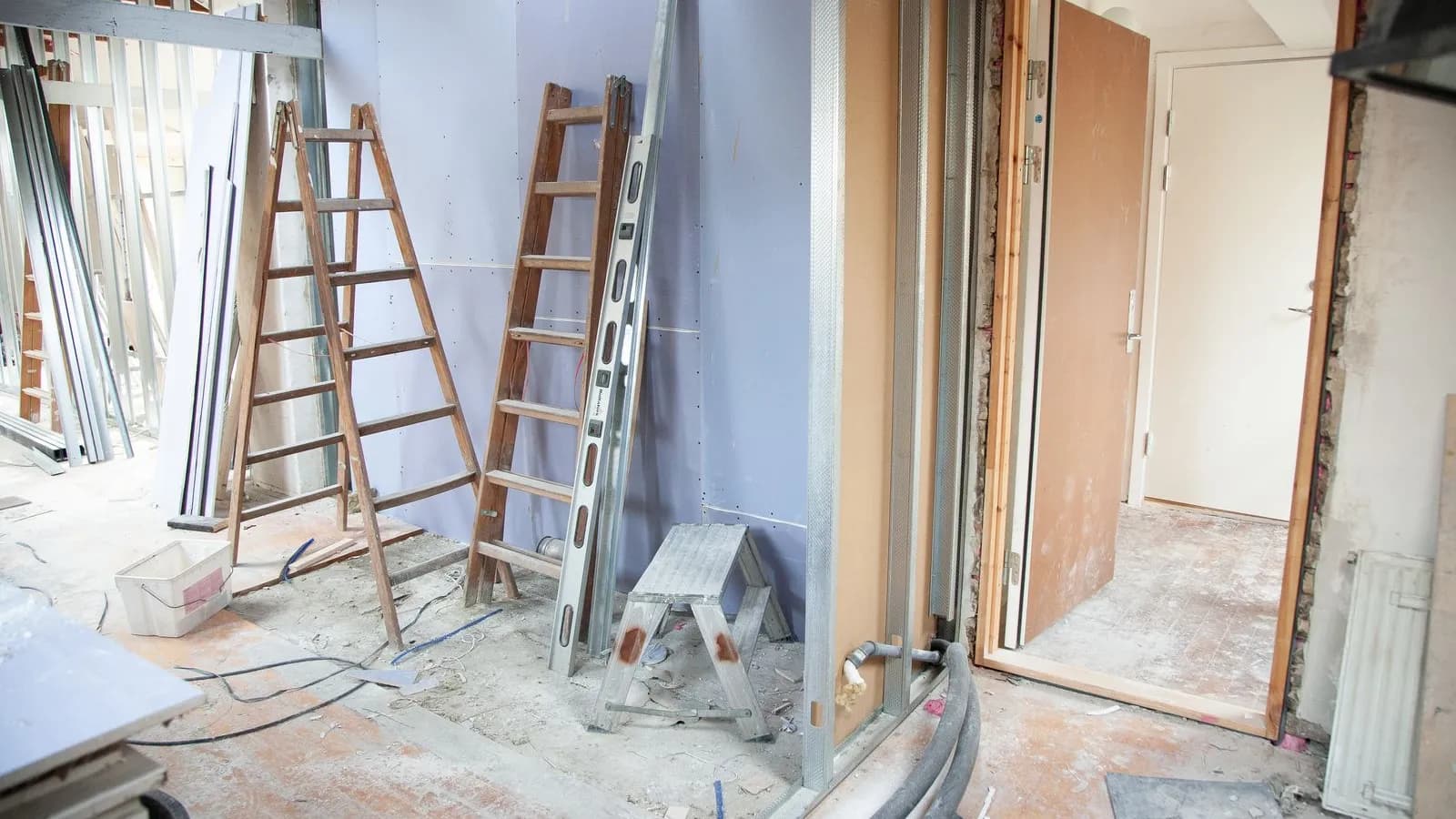
Keep every receipt for the job in one place from the first purchase, split any docket that mixes the renovation with other shopping, and mark each cost as a repair or an improvement as you go. That gives you a running total against your budget. If the property is a rental, or ever stops being your main residence, it also gives you the records the ATO expects. On a rental, repairs are claimed straight away and improvements only over years, and when one job does both, the ATO only allows the repair claim if you can separate its cost.
| Your home (main residence) | A rental property | |
|---|---|---|
| Repairs and maintenance | Not deductible | Deductible in the year you pay, for wear and tear while it's rented |
| Improvements, such as a renovation | Not deductible | Capital works, 2.5% or 4% a year |
| Repairs to damage that was there when you bought it | Not deductible | Capital works, generally over 40 years |
| How long to keep the receipts | Keep them in case circumstances change | 5 years after you sell |
Why the receipts matter even on your own home
Renovating the home you live in is a private cost, so there's nothing to claim. Your main residence is also generally exempt from capital gains tax (CGT). The ATO still recommends keeping all the records, in case circumstances change and the home is no longer exempt. Its own example is renting out part of your home; running a business from it can do the same.
When that happens, what you spent improving the property becomes part of the sum that decides how much CGT you pay, and rebuilding that sum from memory ten years later is much harder than keeping it as you go.
There's also the plainer reason: renovations run over budget one trip to the hardware store at a time. A total you can see while the job is still going is the only one that helps you stop.
If it's a rental: repairs, improvements and the split
The ATO sorts rental property work into three kinds, and each is claimed differently.
Repairs and maintenance fix wear and tear or damage that happened while the property was rented, or keep it in a condition tenants can live in. The ATO's examples include replacing a cracked window pane, part of a gutter or part of a fence, and repainting faded walls. You claim these in the year you pay for them.
Improvements make part of the property better, more valuable or more desirable, or change its character. The ATO names a renovation as the example. These are capital works, claimed at 2.5% or 4% of the construction cost a year, depending on when construction began, the type of work and how the property is used.
Initial repairs fix damage or defects that were already there when you bought the property, even if you didn't know about them. You can't claim these straight away either: they're generally claimed as capital works over 40 years. When you sell, their cost forms part of your CGT cost base, reduced by the capital works you've claimed (or could have claimed) for them.
Two more rules catch people out:
- Your own labour isn't deductible. If you repaint a wall yourself, you can claim the paint and brushes, not what your weekend was worth.
- Replacing a whole item isn't a repair. The ATO's example is a damaged toilet replaced in full: that's claimed as capital works, not a repair.
How to track a renovation, step by step
- Start the project before the first purchase. Give it a name and a budget. Receipts are easiest to file on the day you get them, and much harder to find in a pile three months later.
- Capture every receipt as you go. Hardware store dockets, tradie invoices, online orders, delivery fees, skip bin hire. Thermal dockets fade, so photograph them the same day; the ATO accepts a clear photo of a receipt (more on that here).
- Split dockets that mix the job with other shopping. A trip that buys decking screws and a new garden hose for home is part renovation, part not. Only the renovation lines belong in the project.
- Mark each cost as a repair or an improvement. On a rental, that's the difference between a claim this year and one spread over decades, and the split has to be possible from your records.
- Watch the total against the budget. A number you check every week is a budget; one you add up at the end is a post-mortem.
- Export it when the job ends, and keep it. Hand your accountant one file instead of a shoebox, and keep the records for 5 years after you eventually sell.
Mistakes that cost money later
- Relying on bank statements. A statement shows the store and the total, not what you bought, so it can't show which part was a repair. Keep the itemised docket.
- Paying a tradie in cash with no invoice. Without an invoice there's no record of what the work was, and nothing to split between repair and improvement.
- Throwing the receipts out when the job is finished. The ATO's clock starts when you sell the property, which may be decades after the work.
- Mixing two jobs in one pile. If you're renovating the rental and your own home at once, two projects keep a deductible cost from being lost among private ones.
It works for more than renovations
The same approach tracks any cost that runs across many stores and many weeks: a car repair, a trip, a wedding. Bilbx Projects works the same way for all of them, and one receipt can be split across more than one project.
For how long to keep everything else, see how long to keep receipts for the ATO.
Sources
Common questions
Can I claim renovation costs on my own home?
Not as a deduction. Renovating the home you live in is a private cost. Your main residence is also generally exempt from capital gains tax, but the ATO recommends keeping the records anyway in case that changes, for example if you start renting out part of the home or run a business from it.
Are renovations on a rental property tax deductible?
Not straight away. Repairs and maintenance for wear and tear while the property is rented are deductible in the year you pay for them. An improvement, such as a renovation, is a capital works cost claimed at 2.5% or 4% a year, depending on when construction began and the type of work. Repairs to damage that was already there when you bought the property are claimed as capital works too, generally over 40 years.
How long should I keep renovation receipts?
For as long as you own the property, and then for at least 5 years after you sell it. The ATO counts from when you dispose of the property, not from when you paid for the work, so receipts from a renovation you did 15 years before selling still matter.
What is the difference between a repair and an improvement?
A repair fixes damage or deterioration, like replacing a cracked window pane or part of a fence. An improvement makes part of the property better, more valuable or more desirable, or changes its character, like a renovation. If you do both in one job, the ATO only allows the repair deduction if you can separate its cost, so ask for an itemised invoice.
Every figure on this page is checked against the ATO's own guidance and linked in the sources above. Last checked . Thresholds change each tax year, so if you are reading this well after that date, confirm the current figures before you rely on them. Terms.
Keep reading
Are photos of receipts accepted by the ATO?
Yes — a photo or scan is valid written evidence if it's a true and clear copy. What that means in practice, and when you can bin the paper.
ReadHow long do you need to keep receipts for the ATO?
Five years — but from a date most people get wrong. What records to keep, what a valid receipt has to show, and when the clock actually starts.
ReadAustralian tax year dates and deadlines for 2026–27
The income year runs 1 July to 30 June. Lodging yourself? Your 2025–26 return is due Monday 2 November 2026, as 31 October is a Saturday. Plus BAS due dates.
Read