How to track renovation costs, and which ones HMRC counts
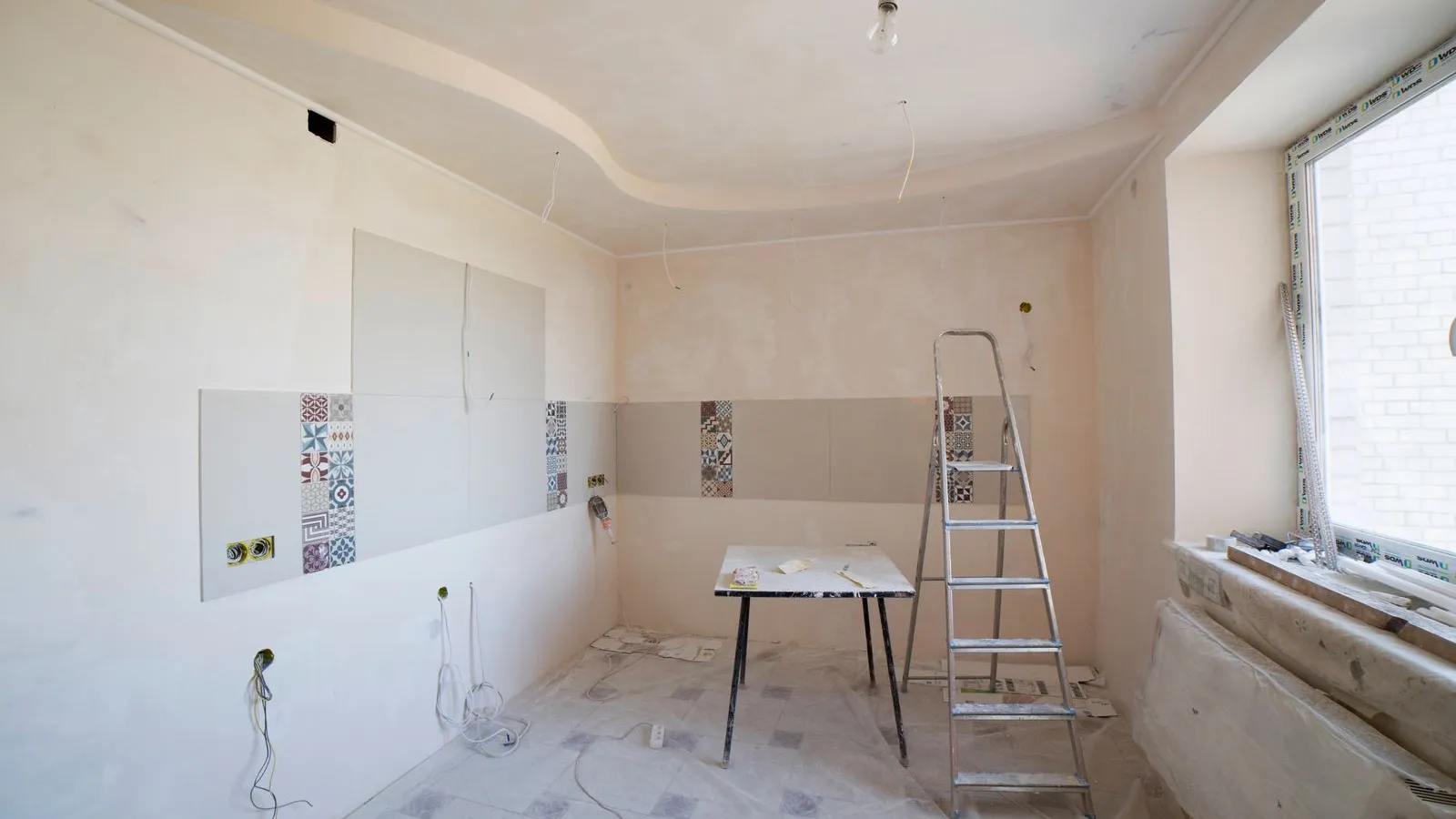
Keep every receipt for the work in one place from the start, split any receipt that mixes the job with other shopping, and note which costs improve the property and which only repair or maintain it. That gives you a running total against your budget, and the records HMRC expects. Landlords can deduct repairs from rental income, but not improvements. When you sell a property that isn't fully covered by Private Residence Relief, it works the other way round: improvements, such as an extension, reduce your gain, and maintenance and decorating don't.
| Your only home, lived in throughout | A buy-to-let or second home | |
|---|---|---|
| Repairs and maintenance | Nothing to claim | Allowable against rental income, if it's let |
| Improvements, such as an extension | Nothing to claim, and usually no Capital Gains Tax on the sale | Not allowable against rent, but deducted from the gain when you sell |
| How long to keep the receipts | Keep them in case relief doesn't fully apply | Until you sell, then at least a year after the Self Assessment deadline |
Why the receipts matter even on your own home
Renovating the home you live in is a private cost, so there's nothing to deduct. When you sell, Private Residence Relief usually means no Capital Gains Tax at all, but only if every condition applies: it's your only home, you've lived in it as your main home for all the time you've owned it, you haven't let part of it out (a lodger doesn't count), you haven't used part of it exclusively for business, the grounds are under 5,000 square metres, and you didn't buy it just to make a gain.
If any of those stops being true, some of the gain may be taxable, and the cost of improvements is one of the things you can deduct from it. That's hard to prove from memory years later, so the receipts are worth keeping even when you expect never to need them.
The plainer reason is the budget. Renovations overrun one trip to the DIY shop at a time, and a total you can see while the work is still going is the only one that helps you stop.
If you're a landlord: repairs, improvements and the split
GOV.UK lists maintenance and repairs to the property, but not improvements among a landlord's allowable expenses. Renovating beyond repairs for wear and tear is capital expenditure, and capital expenditure can't be deducted from rental profits.
Where the line falls is, in HMRC's words, "largely a question of fact and degree". Its Property Income Manual gives some useful markers:
- Like for like, in modern materials, is usually a repair. Replacing lead pipes with copper or plastic, or wooden beams with steel girders, is normally a revenue expense.
- Single glazing replaced with double glazing is generally treated as a repair, because the window does the same job.
- A significant improvement makes the whole job capital, including the redecorating afterwards that would otherwise have been a repair.
- Refurbishing a property bought in a run-down state is capital.
How to track a renovation, step by step
- Start the project before the first purchase. Give it a name and a budget. Receipts are easiest to file on the day you get them.
- Capture every receipt as you go. DIY shop receipts, builder and tradesperson invoices, online orders, delivery charges, skip hire. Till receipts fade, so photograph them the same day; HMRC accepts digital copies (more on that here).
- Split receipts that mix the job with other shopping. A trip that buys plasterboard and a new kettle is part renovation, part not. Only the renovation lines belong in the project.
- Mark each cost as a repair or an improvement. On a let property, that decides whether it comes off your rental profit now or your gain when you sell.
- Watch the total against the budget. A number you check every week is a budget; one you add up at the end is a post-mortem.
- Export it when the job ends, and keep it. Hand your accountant one file instead of a carrier bag of receipts, and keep the records until after you sell.
When you sell
You work out your gain as roughly what you sold the property for, less what you paid for it, and you can deduct the costs of buying, selling or improving it. GOV.UK's examples are estate agents' and solicitors' fees and the costs of improvement works, such as an extension. Normal maintenance, such as decorating, doesn't count.
On most sales of UK property, any Capital Gains Tax has to be reported and paid within 60 days, which is a short time to rebuild years of renovation costs from bank statements. Keep receipts, bills and invoices that show the date and the amount of each improvement cost, and keep them for at least a year after the Self Assessment deadline for the year you report the sale. Businesses keep records for 5 years after the deadline.
Mistakes that cost money later
- Relying on bank statements. A statement shows the shop and the total, not what you bought, so it can't show which part was a repair.
- Paying a builder with no invoice. Without one there's no record of what the work was, and nothing to apportion.
- Throwing the receipts out when the job is finished. The receipts matter most when you sell, which may be decades later.
- Mixing two properties in one pile. If you're working on a let property and your own home at once, two projects keep a deductible cost from being lost among private ones.
It works for more than renovations
The same approach tracks any cost that runs across many shops and many weeks: a car repair, a holiday, a wedding. Bilbx Projects works the same way for all of them, and one receipt can be split across more than one project.
For how long to keep everything else, see how long to keep receipts for HMRC.
Sources
Common questions
Can I claim home renovation costs against tax?
Not on the home you live in: renovating it is a private cost. If you have only one home and have lived in it as your main home throughout, Private Residence Relief usually means no Capital Gains Tax when you sell, so there is nothing for the costs to reduce either. Keep the receipts anyway in case the relief doesn't fully apply, for example if you let part of the home out.
Can landlords claim renovation costs?
Repairs and maintenance, yes: they're allowable expenses against rental income. Improvements and renovating beyond repairs for wear and tear are capital expenditure, so they can't be deducted from rental profits. They can be deducted from your gain when you sell the property.
Do improvement costs reduce Capital Gains Tax?
Yes. When you work out the gain on a property that isn't fully covered by Private Residence Relief, you can deduct the costs of buying, selling and improving it, such as an extension. Normal maintenance, such as decorating, doesn't count.
How long should I keep renovation receipts?
Until you sell the property, and then for at least a year after the Self Assessment deadline for the tax year you report the sale. Keep them longer if your return was late or HMRC has started a check, and for 5 years after the deadline if you're in business.
Every figure on this page is checked against HMRC's own guidance and linked in the sources above. Last checked . Thresholds change each tax year, so if you are reading this well after that date, confirm the current figures before you rely on them. Terms.
Keep reading
Does HMRC accept photos and scanned receipts?
Yes — HMRC explicitly accepts digital copies. Making Tax Digital rules, when you can throw away paper receipts, and what a valid scan must show.
ReadHow long do you need to keep receipts for HMRC?
At least five years after 31 January for Self-Assessment, six for limited companies. What records to keep, digital copies, and when the clock starts.
ReadClaiming business expenses without a receipt in the UK
What HMRC allows when a receipt is lost. How bank statements, simplified expenses, and secondary proof work — and the strict exception for VAT.
Read