The ATO car logbook: 12 weeks that work out your claim for 5 years
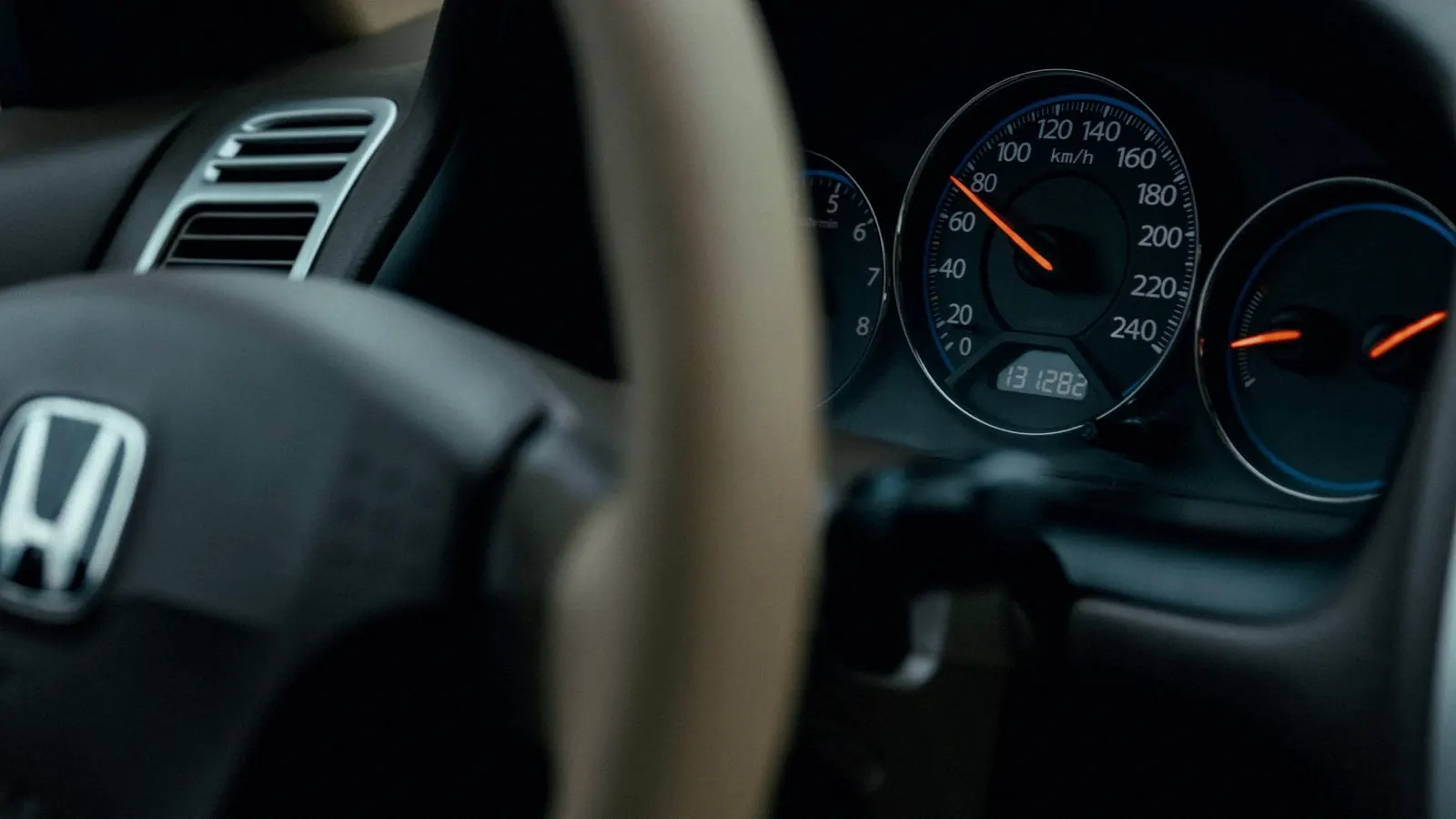
Keep a logbook for at least 12 continuous weeks that represents your travel through the year, and the business-use percentage it gives you works out your car claim for 5 years. The ATO's two conditions: keep the logbook, and take odometer readings at the start and end of each year you use it.
The logbook method is for sole traders and partnerships claiming for a car. It claims the business-use percentage of each car expense, and it is the method the ATO requires for claims above 5,000 business kilometres.
Who can use it
| You are | Methods for a car |
|---|---|
| A sole trader, or a partnership with at least one partner who is an individual | Cents per kilometre or the logbook method |
| A company or a trust | Actual costs only, based on receipts |
The method also depends on the vehicle. A car is a motor vehicle, including an electric vehicle, designed to carry a load of less than one tonne and fewer than 9 passengers. Many four-wheel drives and some utes are cars.
Motorcycles, minivans that carry 9 or more passengers, and utes or panel vans designed to carry a tonne or more are other vehicles. For those, the logbook and cents per kilometre methods are not available: you claim actual costs based on receipts, and you can use a diary or journal to separate private use from business use.
Logbook or cents per kilometre
| Cents per kilometre | Logbook | |
|---|---|---|
| What you claim | A set rate per business kilometre: 88 cents per kilometre for 2025–26, and 91 cents per kilometre from 1 July 2026 | The business-use percentage of each car expense |
| Distance | Up to 5,000 km per car, per year | The method for claims above 5,000 business kilometres |
| Records | How you worked out your business kilometres, such as calendar or diary records. No logbook | The logbook, your fuel and oil costs (or odometer readings to estimate them), and evidence of every other car expense |
| Depreciation | Included in the rate, with no separate claim | Claimed on the business portion of the car's cost |
The cents per kilometre rate takes all of your car's running expenses into account, including depreciation. The logbook method claims your business-use percentage of the car's actual expenses.
What the logbook must record
For the logbook as a whole:
- when the logbook period begins and ends
- the car's odometer readings at the start and end of the logbook period
- the total kilometres the car travelled during the logbook period
- the kilometres travelled for each journey
- the odometer readings at the start and end of each later income year the logbook is valid for
- the business-use percentage for the logbook period
- the car's make, model, engine capacity and registration number.
For each journey:
- the reason for the journey: the business reason, or that it was private
- the start and end date of the journey
- the odometer readings at the start and end of the journey
- the kilometres travelled.
Two or more journeys in a row on the same day can be recorded as a single journey. The logbook itself can be electronic or a pre-printed book from a stationery supplier.
From logbook to claim
The ATO's four steps:
- Keep a logbook.
- Work out your business-use percentage: divide the distance travelled for business by the total distance travelled, then multiply by 100.
- Add up your total car expenses for the income year.
- Multiply your total car expenses by your business-use percentage.
The ATO's own example: Tim's logbook shows 11,000 kilometres for the year, 6,600 of them for business. 6,600 ÷ 11,000 × 100 = 60%. His car expenses, including depreciation, come to $9,000, so he claims $9,000 × 60% = $5,400.
The expenses that go into step 3 include depreciation, electricity for charging an electric vehicle, fuel and oil, insurance, interest on a car loan, lease payments, registration, and repairs and servicing.
The 12 weeks, and the five years after
- The first year. Keep the logbook for at least 12 continuous weeks during the income year, and choose weeks that represent your travel through the year.
- A late start. If you started using the car for business less than 12 weeks before the end of the income year, keep the logbook going into the next year until it covers 12 continuous weeks.
- Five years from one logbook. Each logbook is valid for five years, and you may start a new one at any time. If you rely on a logbook from an earlier year, keep it, and keep the odometer readings for the years after.
- A change in your work. If your circumstances change, such as the type of work your business does, you may need a new logbook.
- Two or more cars. Each car's logbook must cover the same period, and that 12-week period should represent the business use of all of them.
The ATO's record-keeping rules for business ask for clear documents showing the business portion of any expense that is partly business and partly personal, and you need to keep most records for 5 years.
Depreciation on the logbook method
With the logbook method you can generally claim depreciation, the car's decline in value, on the business portion of its cost only. For a car, a cost limit caps the amount used to work out the depreciation claim.
Claiming cents per kilometre instead? See what records to keep for cents per kilometre and the published cents per kilometre rule.
Sources
Ask about this guide
Got a question about your own receipt? Ask it, and get an answer from Bilbx's reviewed guides for Australia.
General information, not tax or legal advice.
Common questions
How long do I need to keep a car logbook for the ATO?
At least 12 continuous weeks, chosen to represent your travel through the year. The business-use percentage from that period then works out your claim for 5 years, as long as you keep the logbook and take odometer readings at the start and end of each year you use it.
What does the ATO want recorded for each trip?
The reason for the journey (the business reason, or that it was private), its start and end date, the odometer readings at the start and end, and the kilometres travelled. Two or more journeys in a row on the same day can be recorded as a single journey.
Do I need a logbook to claim cents per kilometre?
No. The cents per kilometre method needs no logbook, but you must be able to show how you worked out your business kilometres, for example from calendar or diary records. It covers up to 5,000 business kilometres per car; for claims above 5,000 kilometres, you use the logbook method to claim the entire amount.
Can I use the logbook method for a ute or a motorcycle?
Only if it is a car: a vehicle designed to carry a load of less than one tonne and fewer than 9 passengers, which includes many four-wheel drives and some utes. For other vehicles, such as motorcycles and utes designed to carry a tonne or more, you claim actual costs based on receipts and can use a diary to separate private use from business use.
When do I need a new logbook?
Each logbook is valid for five years, and you may start a new one at any time. If your circumstances change, such as a change in the type of work your business does, you may need a new logbook.
Every figure on this page is checked against the ATO's own guidance and linked in the sources above. Last checked . Thresholds change each tax year, so if you are reading this well after that date, confirm the current figures before you rely on them. Terms.
Keep reading
Cents per kilometre: what records should you keep?
Business travel, statement distance, logbooks and expense receipts: the vehicle records to keep in Australia before calculating a car claim.
ReadRideshare and delivery income: records for Australia
Driving for Uber, DiDi, Uber Eats or DoorDash in Australia? See which earnings statements, platform fees, payouts and vehicle records to keep for the ATO.
ReadCan you claim deductions without receipts?
The $300 rule explained properly - what it actually lets you do, the expenses it excludes, and why treating it as a free allowance is a mistake.
Read