Receipts in a foreign currency: how to convert them for the ATO
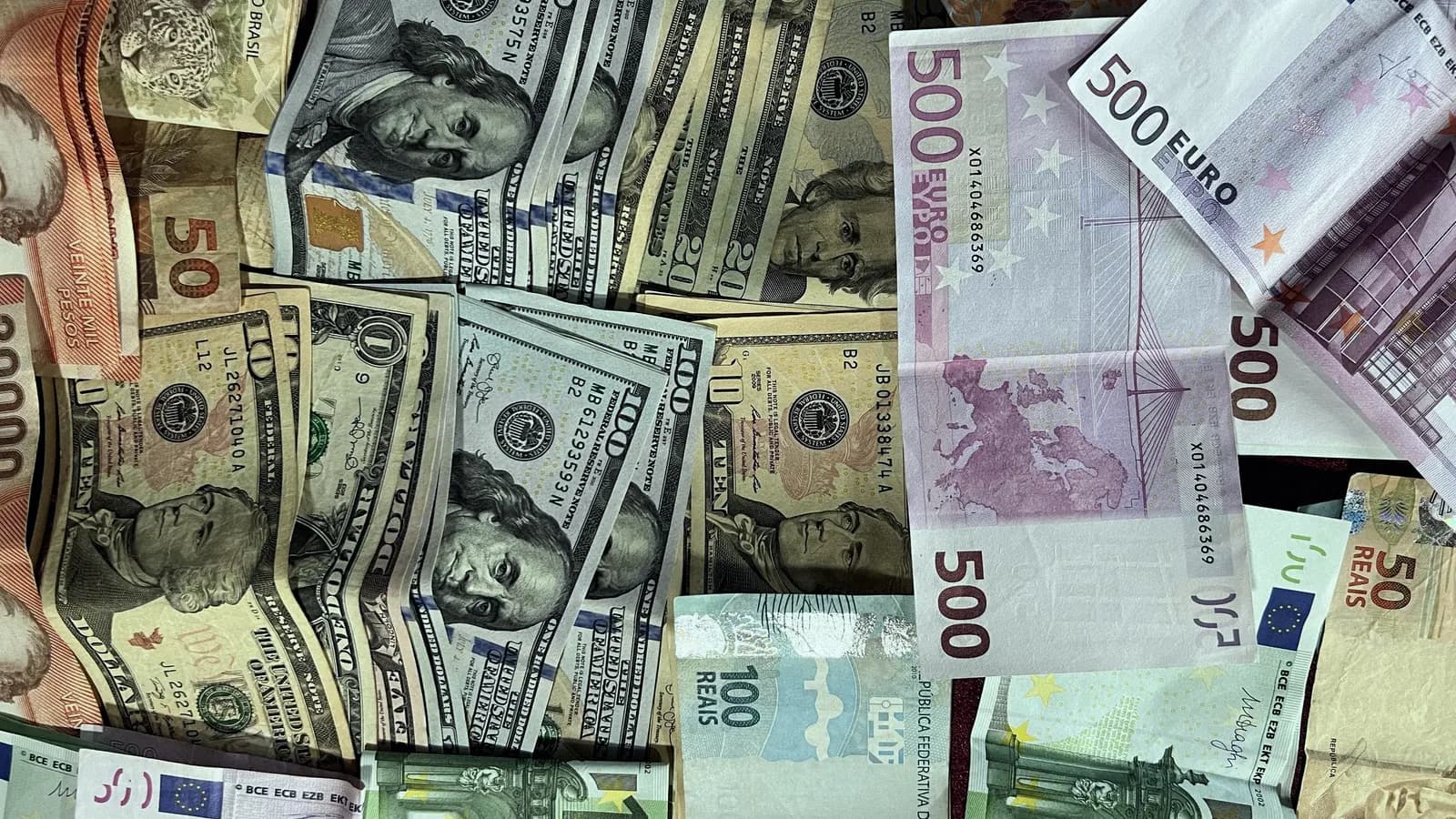
A conference in Singapore, a software subscription billed in US dollars, a hotel in Tokyo for a work trip: the receipt says one currency and your tax return speaks another. Before any of it can go in your return, it has to be converted to Australian dollars, and the ATO has rules about how.
The good news is that the rules are simple for most people. The part that catches people out is keeping enough to show how they got the number.
Which exchange rate to use
You have two main options:
- The rate on the day. The exchange rate prevailing at the time the expense was incurred or paid, whichever came first. The RBA publishes daily rates for the major currencies.
- An average rate. In many cases the regulations let you use an average rate instead of the rate on the day. The ATO publishes monthly and annual average rates for common currencies, which is convenient when you have many small foreign expenses across a year. An average must be a reasonable approximation of the day rates it replaces, over a period of no more than 12 months, so it suits steady, repeated costs better than one large one.
For a currency the ATO's tables don't list, you may use any reasonable externally sourced exchange rate. What you can't do is invent your own average: the ATO says you can't obtain an average rate from yourself or an associate unless it tells you otherwise.
Whichever you choose, write down the rate and where it came from. A converted figure with no trail back to the receipt is hard to defend.
What your card statement adds
If you paid by card, your statement shows the Australian-dollar amount that actually left your account, plus any foreign transaction fee. It is the most direct evidence that the payment happened and what it cost you. Keep it with the receipt.
The receipt still matters: the statement shows a merchant and an amount, but not what you bought. For a work-related claim you need both what was bought and that you paid for it.
Receipts that aren't in English
This is the question most people don't think to ask until they're holding a receipt in Japanese.
The ATO's rule is practical: where you incur an expense outside Australia, the document can be in the language of that country. If the ATO asks you to substantiate the claim and the record isn't in English, it should come with a translation certified by an authorised translation service, such as a translator accredited by NAATI.
So a foreign-language receipt is a valid record. Understanding it yourself, knowing what each line is and what the total covers, is what lets you decide whether it's claimable at all.
What to keep for each foreign expense
- The receipt or invoice, in whatever language it came in.
- Proof of payment, such as the card statement showing the Australian-dollar amount.
- The exchange rate you used and its source, whether the RBA daily rate, an ATO average rate or another reasonable source for an unlisted currency.
- What it was for, especially for travel, where the work purpose is what makes the expense deductible.
Keep them for 5 years from the date you lodge the return they support, the same as any other record. A clear photo or scan is fine as long as it is a true and clear copy: see whether the ATO accepts photos of receipts.
Where the claim goes
A foreign receipt goes in the same place as a local one once it's converted. A work-related expense is claimed under the label for what it is, for example travel at D2 or other work-related expenses at D5. See D1 to D10 explained for which label fits.
Sources
Common questions
Which exchange rate does the ATO want me to use?
Generally the exchange rate prevailing at the time of the transaction, or an average rate where the rules allow one. For a deductible expense, the time is the earlier of when you incurred the expense and when you paid it. The ATO publishes monthly and annual rates sourced from the Reserve Bank of Australia.
Can I use the Australian-dollar amount on my card statement?
Your card statement shows what the purchase actually cost you in Australian dollars and is worth keeping with the receipt as evidence of payment. Whichever rate you use, record it and apply the same approach consistently.
Does my receipt need to be in English?
Not if you incurred the expense outside Australia. The ATO accepts a document in the language of the country where you spent the money. If it asks you to substantiate the claim, the record should come with a translation certified by an authorised translation service, such as a NAATI-accredited translator.
What if the ATO doesn't list the currency?
For a currency the ATO's rate tables don't list, you may use any reasonable externally sourced exchange rate. Note which source you used.
Every figure on this page is checked against the ATO's own guidance and linked in the sources above. Last checked . Thresholds change each tax year, so if you are reading this well after that date, confirm the current figures before you rely on them. Terms.
Keep reading
Are photos of receipts accepted by the ATO?
Yes — a photo or scan is valid written evidence if it's a true and clear copy. What that means in practice, and when you can bin the paper.
ReadHow long do you need to keep receipts for the ATO?
Five years — but from a date most people get wrong. What records to keep, what a valid receipt has to show, and when the clock actually starts.
ReadTax return deductions D1 to D10 explained: which receipts go where
What each deduction label on your Australian tax return covers, from D1 car expenses to D10 tax agent fees, and the receipts the ATO expects for each.
Read