Receipts in a foreign currency: converting expenses to sterling for HMRC
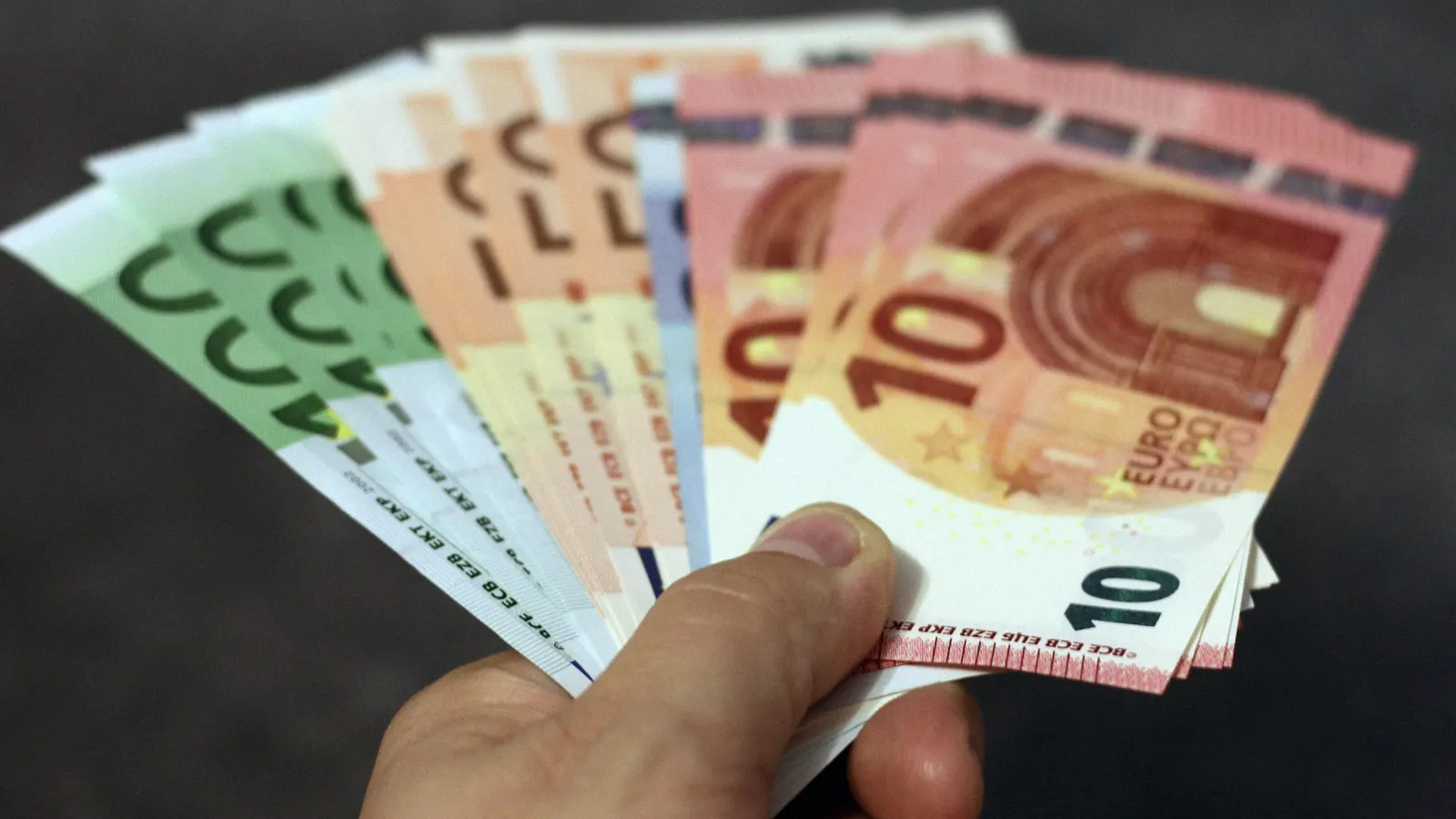
A trade fair in Frankfurt, a subscription billed in US dollars, stock bought from a supplier in Spain: if you're self-employed or a landlord, some of your costs will arrive in another currency. Your Self Assessment return is in pounds, so each of those amounts has to be converted, and you need to be able to show how.
HMRC is more relaxed about this than people expect. What it wants is a reasonable rate, used sensibly, with a trail back to the receipt.
Spot rate or average rate?
HMRC's Business Income Manual sets out the options:
- The spot rate for the date of the transaction. Best for occasional or large foreign costs, where the rate on the day is what matters.
- An average rate, provided exchange rates don't fluctuate significantly in the period. HMRC's own example is a business buying in euros every month and using the monthly average euro rate for all of them. It saves work when you have lots of small foreign expenses.
- A contract rate, if you fixed the rate in advance with a forward contract or currency swap. That's rare for small businesses.
Where to get the rates
HMRC publishes monthly, average and spot currency exchange rates on the UK Integrated Online Tariff. They are produced for customs and VAT, but the Business Income Manual lists HMRC's monthly average rates, alongside bank rates and London closing rates, as acceptable sources for business accounts.
A rate from a major bank or a reputable financial source is fine too. What matters is that it's a real rate from a reputable source, not one that looks chosen to make the figure bigger.
What your card statement adds
If you paid by card, your statement shows the sterling amount that actually left your account and any foreign transaction fee. It is solid evidence that you paid, and what it cost. Keep it with the receipt.
The receipt still matters because a statement line doesn't say what you bought. You need both to show the expense was for the business.
Receipts in another language
GOV.UK's guidance on business records for the self-employed doesn't say records must be in English, and the original receipt is still your record of the purchase. The practical risk is being unable to explain it later. Write down, or keep a translation of, the key details: the supplier, what you bought and the amount. That makes the record easy to check and easy for you to classify correctly in the first place.
What to keep for each foreign expense
- The receipt or invoice, in its original language.
- Proof of payment, such as the card or bank statement in sterling.
- The rate you used and where it came from, whether spot, HMRC monthly average or another reputable source.
- What it was for, so the business purpose is clear.
Keep your records for at least 5 years after the 31 January submission deadline for the tax year. A clear photo or scan is fine: see whether HMRC accepts photos of receipts. If you're joining Making Tax Digital for Income Tax, see Making Tax Digital and receipts for how digital record-keeping changes.
Sources
- HMRC Business Income Manual BIM39510 — Foreign exchange: exchange rate for accounts purposes
- HMRC Business Income Manual BIM39515 — Foreign exchange: exchange rate for tax purposes
- HMRC — Currency exchange monthly rates
- GOV.UK — Business records if you're self-employed: what records to keep
- GOV.UK — How long to keep your records
Common questions
Which exchange rate does HMRC accept for business expenses?
HMRC generally accepts the rate you use in your accounts. That can be the spot rate on the day of the transaction, or an average rate for a period as long as exchange rates didn't move much during it. HMRC only questions a rate if it diverges markedly from rates obtained from reputable sources.
Does HMRC publish exchange rates?
Yes. HMRC publishes monthly, average and spot currency exchange rates on the UK Integrated Online Tariff. They are produced for customs and VAT, but the Business Income Manual lists HMRC's monthly average rates among the acceptable sources for business accounts.
Can I just use the sterling amount on my card statement?
Your statement shows what the purchase actually cost in sterling and is good evidence that you paid it. Keep it with the receipt, and apply one approach to conversion consistently across your records.
What if the receipt isn't in English?
Keep the original. It is still the record of the purchase. Adding a note or translation of the key details, such as the supplier, what was bought and the amount, makes it much easier to explain if HMRC ever asks.
Every figure on this page is checked against HMRC's own guidance and linked in the sources above. Last checked . Thresholds change each tax year, so if you are reading this well after that date, confirm the current figures before you rely on them. Terms.
Keep reading
Does HMRC accept photos and scanned receipts?
Yes — HMRC explicitly accepts digital copies. Making Tax Digital rules, when you can throw away paper receipts, and what a valid scan must show.
ReadHow long do you need to keep receipts for HMRC?
At least five years after 31 January for Self-Assessment, six for limited companies. What records to keep, digital copies, and when the clock starts.
ReadMaking Tax Digital receipt rules: What sole traders and landlords must store
HMRC Making Tax Digital rules for sole traders and landlords. Digital record keeping requirements, £50k threshold dates, and storing paper vs scanned receipts.
Read