What counts as proof of purchase in New Zealand?
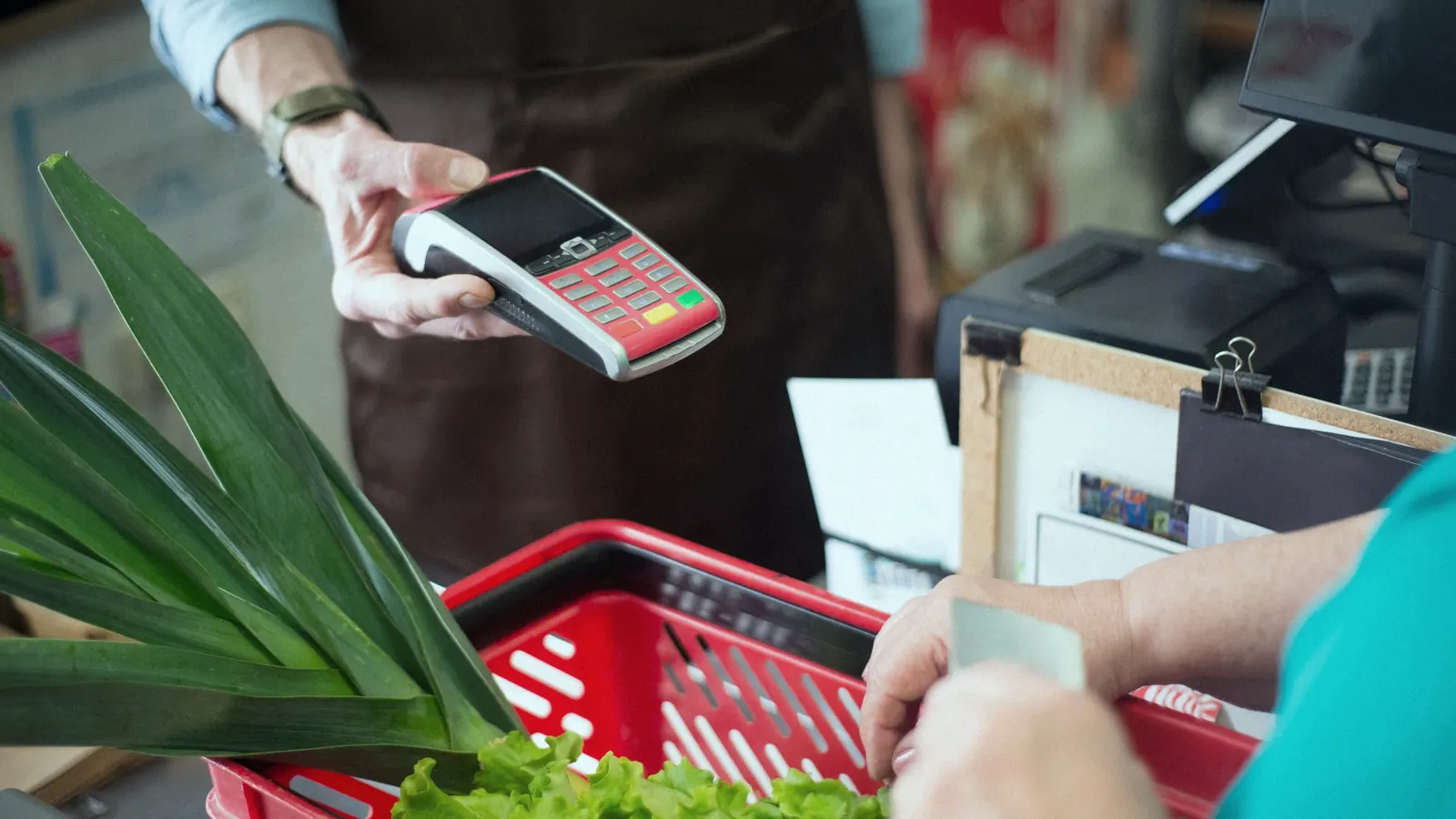
A receipt is the easiest proof of purchase, not the only one. When something you bought is faulty, the Consumer Guarantees Act 1993 gives you rights against the business that sold it. What the business needs is reasonable evidence that you bought it there.
Consumer Protection, the government's consumer information service, lists what counts:
- receipts and invoices
- sales contracts, including a signed agreement for a service
- email confirmations of an online order
- a statement of your bank or credit card transactions
Bank statements
A bank or card statement is accepted proof, and it is often the easiest to find: your banking app goes back years. It shows the date, the business and the amount.
What it does not show is the item. For a single purchase at a small shop, that rarely matters. For a large store where you bought several things that day, pair the statement with something that identifies the product: the box, the serial number, a warranty card or an order email.
Online orders
For anything bought online, the order confirmation email is usually the best proof you have. It lists the items, the price, the date and the seller, which is more than most till slips. Keep it, or better, forward it to the place you keep your receipts so it does not disappear in an inbox clean-up.
Be aware that the Consumer Guarantees Act applies to purchases from a business. Items bought privately, including through Trade Me, Marketplace or at an auction, are not covered by it.
Gifts
If you received something as a gift, the Consumer Guarantees Act protects you too: it covers products bought or gifted to you from a business. Ask the giver for the receipt or a gift receipt, or for the order email, if the item fails. See returning Christmas gifts in New Zealand.
Photograph the receipt anyway
Consumer Protection's own advice is to take a photo of purchase receipts and keep them on your phone. Most till slips are thermal paper, which fades with heat and time, and a faulty appliance is usually discovered months after the receipt was folded into a drawer.
A photo keeps the date, the shop and the price legible for as long as you need them, which for a durable item under the Consumer Guarantees Act can be a long time.
Sources
Common questions
Does a shop need a receipt to accept a return under the Consumer Guarantees Act?
No law says it must be a receipt. You need to show you bought the item from that business, and Consumer Protection lists receipts, sales contracts, email confirmations and bank or credit card statements as proof of purchase.
Is a bank statement proof of purchase in NZ?
Yes. Consumer Protection names a statement of your bank or credit card transactions as proof of purchase. It shows the date, the business and the amount, though not usually the item, so pair it with the packaging or product details if you can.
What if I have no proof of purchase at all?
Give the business as much detail as you can: when and where you bought it, how you paid and what it cost. The Consumer Guarantees Act protects the purchase, not the paperwork, but proof makes a claim much easier to accept.
Should I photograph my receipts?
Yes. Consumer Protection suggests taking a photo of purchase receipts and keeping them on your phone in case you need proof of purchase later.
Keep reading
Can you return something without a receipt in New Zealand?
For faulty goods, yes: the Consumer Guarantees Act needs proof of purchase, not a receipt. Change-of-mind returns are up to the shop's own policy.
ReadHow long does a warranty last in New Zealand?
Under the Consumer Guarantees Act, for 'a reasonable time', which can outlast the manufacturer's warranty. How it works, and whether extended warranties pay.
ReadReturning Christmas gifts in New Zealand: your rights without the receipt
Faulty gifts are covered by the Consumer Guarantees Act, even without the receipt. Unwanted ones depend on store policy and gift cards that expire.
Read