Self-employed car expenses: the Canadian logbook records
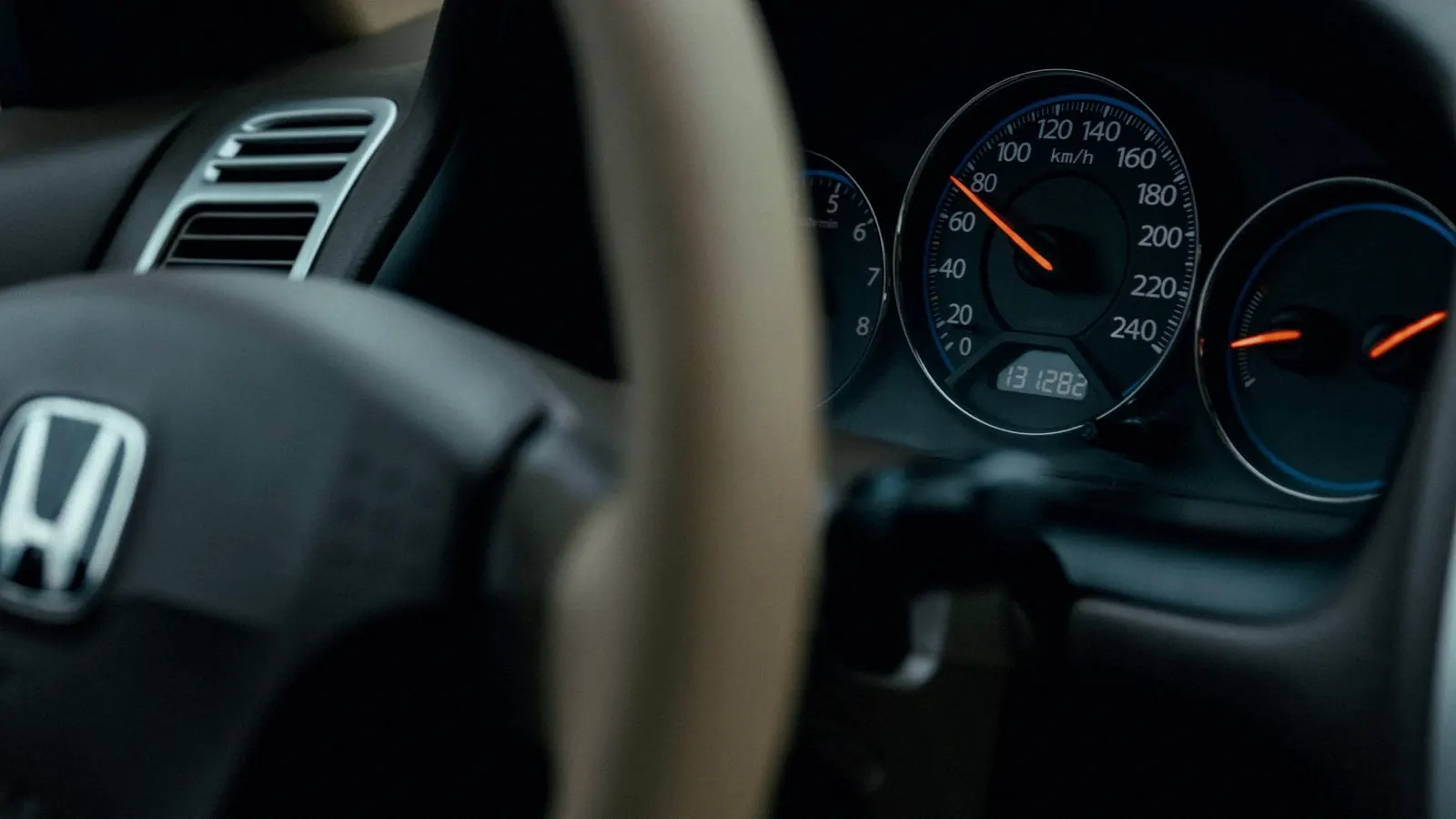
To claim self-employed vehicle expenses in Canada, keep records of both your total kilometres and your business kilometres. Your journey log and expense receipts work together to support the business share of a vehicle claim.
The method determines the paperwork
The CRA asks for total kilometres driven and the kilometres driven to earn business income. A logbook records each business trip’s date, destination, purpose and distance. Keep the related expense receipts and odometer readings so the business-use share is supported (see CRA — Motor vehicle records).
Make the distance explainable
A useful working record connects a journey with its date, business purpose and distance. Keep the unit clear, especially if you work across borders or use several platforms. Save the source behind any total you transfer into a tax calculation.
A contractor might group travel by job or customer; a driver might check platform statements against their own journey record. Either way, the useful question at year end is whether you can trace the total back to the work that produced it.
Where platform statements fit
Keep the statement's distance exactly as printed, including its label and period. If the same distance appears on a weekly and annual statement, compare the periods before combining them. A clear record lets you identify the overlap.
In Bilbx, distance explicitly printed on a payout statement is saved with its label and unit. Use that evidence alongside your other vehicle records when checking the business travel behind a claim.
Keep expenses with the vehicle records
Store the receipts and supporting documents you will use for the method you choose. Mark the vehicle or job in a way that will still make sense months later. Our income record guide explains how to connect customer payments and project costs.
Prepare the claim in Bilbx
Tax Lab applies a standing business-use percentage to a category, with a note of the logbook supporting it. Export the claimed vehicle expenses with your T2125 category totals. Tax Lab preparation, tax categories and business/personal receipt splitting are free. Tax report exports are included with Premium. Money in and projects are free.
See Bilbx for Canada and the published tax rules for Canada alongside the regulator's guidance.
Sources
Ask about this guide
Got a question about your own receipt? Ask it, and get an answer from Bilbx's reviewed guides for Canada.
General information, not tax or legal advice.
Common questions
Can I use the distance printed on a payout statement?
You can keep the distance printed on a payout statement with its original label, unit and period, and use it alongside your other vehicle records when checking business travel. Bilbx saves distance explicitly printed on payout statements.
Does Bilbx save the label and unit for statement distance?
Yes. Distance explicitly printed on a payout statement is kept with its original label and unit, in kilometres or miles. Keep the statement period with your other records so you can check overlapping documents.
Every figure on this page is checked against the CRA's own guidance and linked in the sources above. Last checked . Thresholds change each tax year, so if you are reading this well after that date, confirm the current figures before you rely on them. Terms.
The tax rules behind this guide
Keep reading
How to record self-employed income in Canada
Self-employed income records: invoices, payments and the documents to keep for the CRA. A practical way to connect earnings with business expenses.
ReadRideshare and delivery income: records for Canada
Driving for Uber, Lyft, Uber Eats or DoorDash in Canada? See which earnings statements, platform fees, payouts and vehicle records to keep for the CRA.
ReadHow long do you need to keep receipts for the CRA?
Six years from the end of the last tax year they relate to. When the clock starts, when it runs longer, and why your records have to be kept in Canada.
Read