What counts as proof of purchase in Australia?
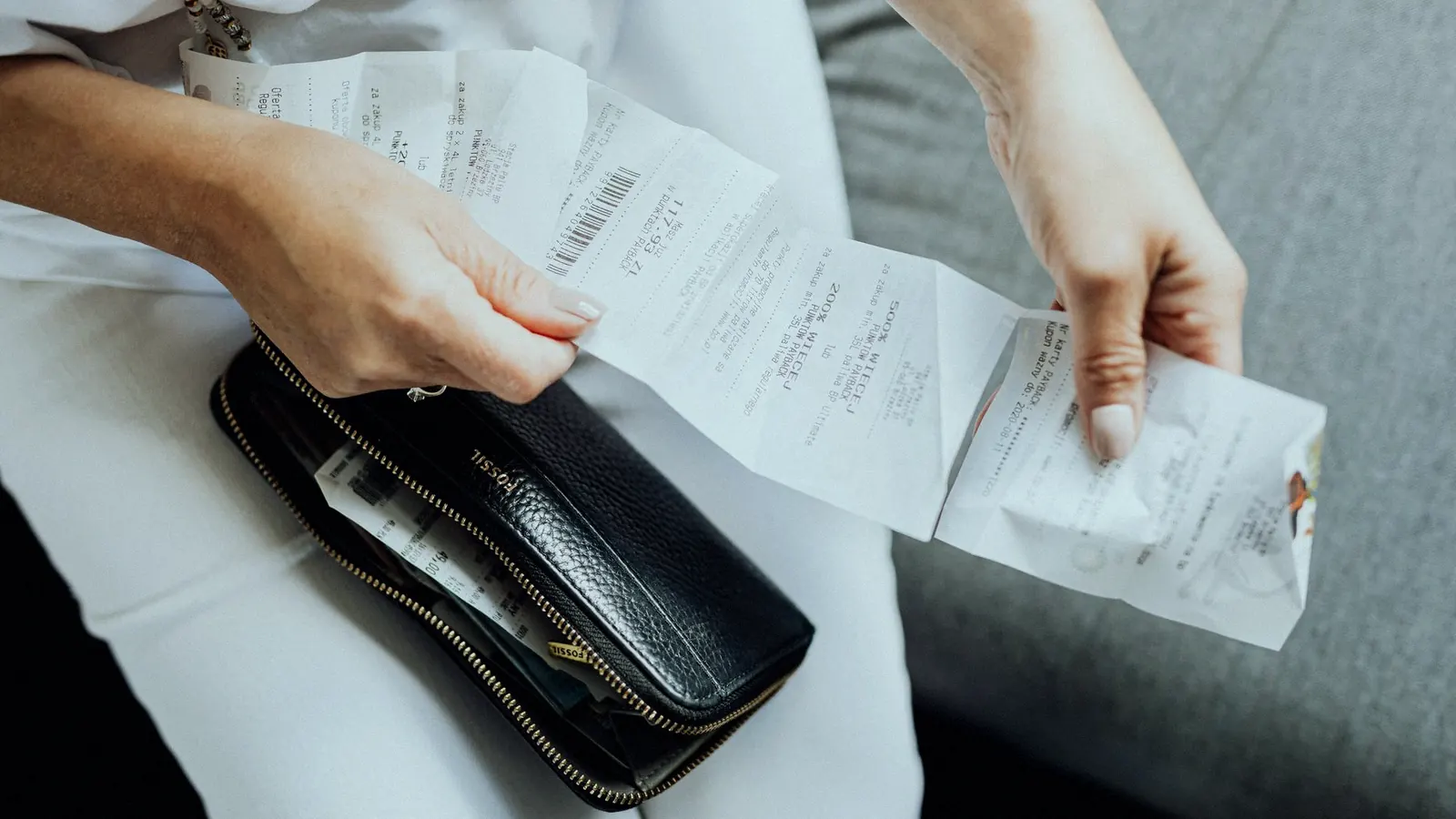
Proof of purchase is whatever reasonably establishes that you bought this item, from this business, at this time. Australian law does not require it to be a paper receipt, and the list of what works is longer than most people — including a fair number of retail staff — realise.
The list
Any of these can establish a purchase:
- a cash register receipt
- a handwritten receipt
- a tax invoice
- a credit or debit card statement showing the transaction
- a lay-by agreement
- a confirmation or receipt number for a phone or internet transaction
- a warranty card showing the supplier's details, the date and the amount
- a serial or production number tied to your purchase in the supplier's own system
Photos and scans of any of the above work too. Nothing in the law privileges the original paper, and where a thermal receipt has faded to blank, the photo you took of it is straightforwardly better evidence.
What a compliant receipt has to show
When a business does issue proof of transaction, it must include:
- the supplier's identity, and their ABN or ACN
- the date of the supply
- a description of what was supplied
- the price
For services, you can also ask for an itemised bill setting out how the price was calculated — and the business has seven days to give it to you, free of charge.
Not all proof is equally strong
Everything on the list is acceptable. That does not make it equally useful, and it is worth knowing which of your evidence is doing the heavy lifting.
| Proof | Shows the item? | Shows the price? | Shows the date? | Practical strength |
|---|---|---|---|---|
| Itemised receipt or tax invoice | Yes | Yes | Yes | Strongest |
| Email order confirmation | Yes | Yes | Yes | Very strong |
| Photo of the receipt | Yes | Yes | Yes | Strong — as good as the photo is |
| Warranty card with details filled in | Partly | Sometimes | Yes | Good for warranty claims |
| Serial number in the supplier's system | Yes | No | Yes | Good, if they'll look it up |
| Bank or card statement | No | Yes | Yes | Acceptable, but incomplete |
The gap in a bank statement is the item. It proves you spent $899 at that retailer on that date; it doesn't prove the $899 was this washing machine. Most of the time that inference is obvious enough to be accepted. When it isn't, pairing the statement with the original box, a serial number or a warranty card closes it.
The ATO applies a stricter test to the same receipt
If you are keeping the receipt for a tax deduction rather than a return, note that the two systems want different things.
The ACCC's question is did you buy it here. The ATO's question is what exactly was it, when, and from whom — and its written-evidence rules require the document to show the supplier's name, the amount, the nature of the goods or services, the date the expense was incurred, and the date of the document.
The practical upshot: a bank statement that satisfies a retailer for a warranty claim will generally not satisfy the ATO as written evidence, because it doesn't describe what was bought. If a receipt matters for tax, keep the receipt.
That is covered in detail in how long you need to keep receipts for the ATO.
If you have nothing at all
It happens — cash purchase, receipt long gone, no card record. Options, in rough order of how often they work:
- Ask the retailer to look it up. Loyalty programs, store accounts and card-linked lookups recover a surprising number of transactions.
- Check your email. Emailed receipts are now the default at many retailers, and it may be there under a sender name you'd never search for.
- Find the serial number. For appliances and electronics, manufacturers and retailers often have it linked to a sale or a registration.
- Check whether you registered the warranty. A registration record is itself dated evidence.
If none of those land, you are relying on the business's discretion. Many will help, especially where the fault is obvious and the product is clearly theirs — but at that point it is goodwill, not a right.
The takeaway
Proof of purchase is a category, not a document. For consumer guarantee claims, several things qualify and a card statement is genuinely among them. For tax, the standard is narrower and the itemised receipt is what you need.
Keep something that shows the shop, the date, the item and the amount, and you're covered for both.
Sources
Common questions
Is a photo of a receipt valid proof of purchase?
Yes, provided it is legible and shows the retailer, date, item and amount. Nothing in the Australian Consumer Law requires the original paper, and a clear photo of a receipt that has since faded is often better evidence than the receipt itself.
Does a bank statement count as proof of purchase?
Yes. The ACCC lists a credit or debit card statement as acceptable proof. Its weakness is that it shows the amount and the retailer but not what you bought, so pair it with something itemised where you can.
What is the difference between proof of transaction and proof of purchase?
Proof of transaction is the document a business must give you at the point of sale. Proof of purchase is the broader set of evidence you can use later to claim a remedy — it includes proof of transaction plus things like warranty cards and serial numbers.
Is an email order confirmation enough?
Usually yes for online purchases. A confirmation or receipt number for a phone or internet transaction is explicitly listed as acceptable, and it has the advantage of being itemised.
Keep reading
Do you need a receipt to return something in Australia?
No — a receipt isn't the only proof the law accepts. Here's what a shop has to take instead, and when it can legitimately turn you away.
ReadConsumer guarantees vs warranty: what you're actually entitled to in Australia
Your warranty expired and the thing broke. Under Australian Consumer Law that often doesn't matter — here's what you're entitled to and for how long.
ReadAre photos of receipts accepted by the ATO?
Yes — a photo or scan is valid written evidence if it's a true and clear copy. What that means in practice, and when you can bin the paper.
Read