US tax deadlines for the 2026 tax year: filing, extensions and estimated tax
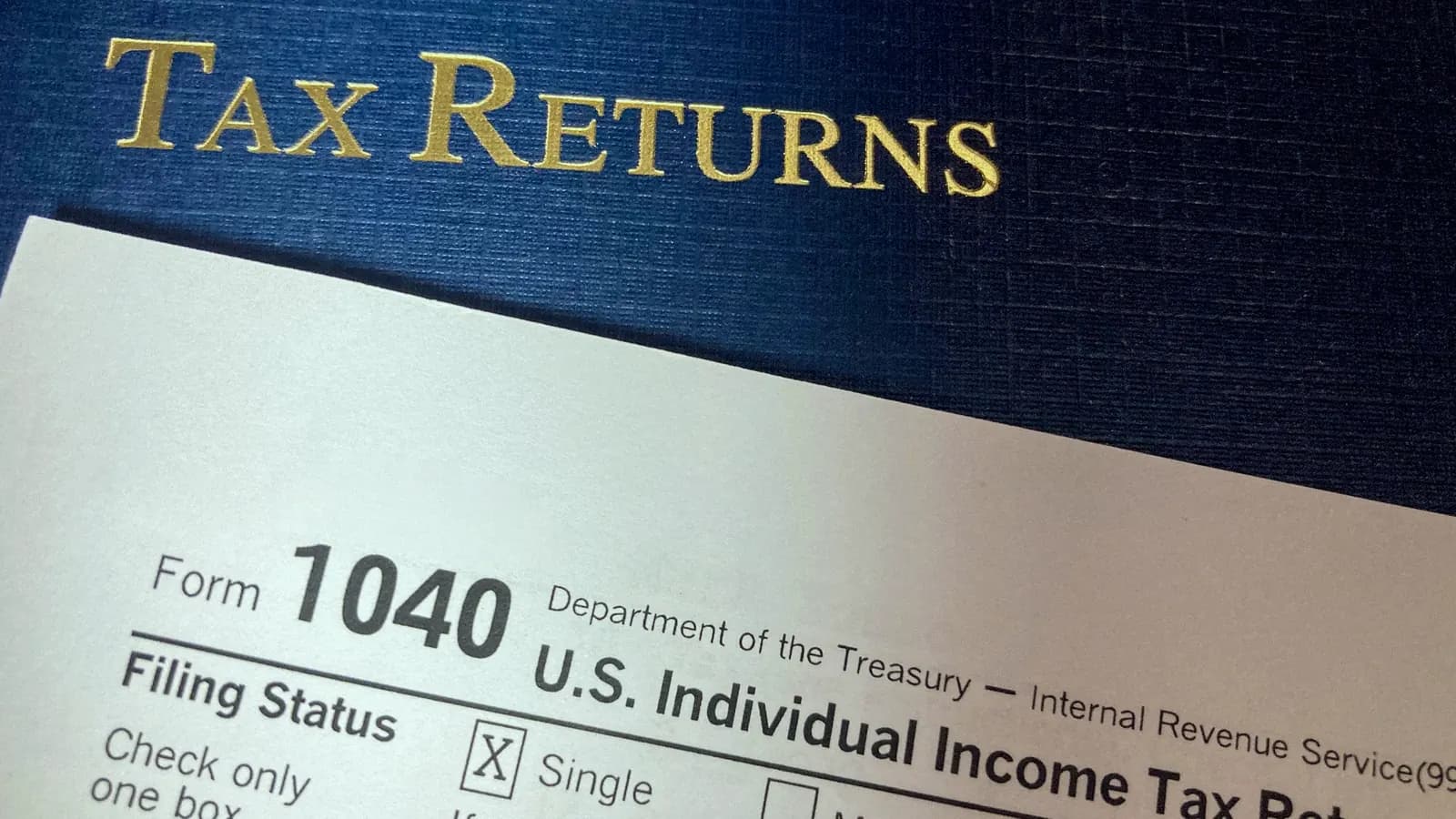
For individuals and sole proprietors, the US tax year is the calendar year. Your 2026 return (Form 1040, with Schedule C if you're self-employed) is due April 15, 2027. If you're self-employed, you'll usually also pay estimated tax four times a year, because nobody is withholding it for you.
| What | For the 2026 tax year |
|---|---|
| Estimated tax: January 1 – March 31 | April 15, 2026 |
| Estimated tax: April 1 – May 31 | June 15, 2026 |
| Estimated tax: June 1 – August 31 | September 15, 2026 |
| Estimated tax: September 1 – December 31 | January 15, 2027 |
| Form 1099-NEC from clients who paid you | By February 1, 2027 (January 31 is a Sunday) |
| Tax return (Form 1040) and any tax owed | April 15, 2027 |
| Extended filing deadline (with Form 4868) | October 15, 2027 |
If a due date falls on a Saturday, Sunday or legal holiday, it moves to the next business day. Only one date above does: January 31, 2027 is a Sunday, so Forms 1099-NEC are due Monday, February 1.
Estimated tax
The US tax system is pay-as-you-go. Employees have tax withheld from each paycheck; if you're self-employed, you pay it yourself, in four installments.
Who has to pay: individuals, including sole proprietors, generally have to make estimated tax payments if they expect to owe $1,000 or more when they file.
How to avoid the underpayment penalty: most people do if they owe less than $1,000 after withholding and credits, or if they paid at least 90% of this year's tax or 100% of last year's, whichever is smaller. If last year's adjusted gross income was over $150,000 ($75,000 if married filing separately), the second figure is 110% of last year's tax.
Extensions: more time to file, not to pay
File Form 4868 before April 15 and you get an automatic six-month extension to October 15. It extends the time to file, not the time to pay. Tax you owe is still due by April 15, so estimate it and pay by then to avoid penalties and interest.
Form 1099-NEC
If a client paid you $2,000 or more in nonemployee compensation during 2026 (the threshold was $600 before 2026), they must send you a Form 1099-NEC, and file it with the IRS, by January 31, which is February 1 in 2027. Check it against your own records: the income on your Schedule C should include everything you were paid, whether or not a 1099 arrived.
Keeping the records
Keep the receipts behind your deductions for at least three years after you file, and longer in some cases. See how long to keep receipts for the IRS. Clear digital copies are acceptable. See does the IRS accept photos of receipts, and for what Schedule C expects, see Schedule C receipt requirements.
Sources
Common questions
When are 2026 taxes due?
The 2026 return is due April 15, 2027. If the 15th falls on a weekend or legal holiday, the due date moves to the next business day.
When are quarterly estimated taxes due?
April 15, June 15, September 15 and January 15 of the following year. For the 2026 tax year: April 15, 2026, June 15, 2026, September 15, 2026 and January 15, 2027.
Does an extension give me more time to pay?
No. Form 4868 extends the time to file to October 15, but not the time to pay. Tax you owe is still due by April 15.
Do I have to pay estimated tax?
Generally, if you expect to owe $1,000 or more when you file, including as a sole proprietor. You can avoid the underpayment penalty by paying at least 90% of this year's tax or 100% of last year's (110% if last year's adjusted gross income was over $150,000), whichever is smaller.
Every figure on this page is checked against the IRS's own guidance and linked in the sources above. Last checked . Thresholds change each tax year, so if you are reading this well after that date, confirm the current figures before you rely on them. Terms.
Keep reading
How long do you need to keep receipts for the IRS?
Three years — or up to seven for certain deductions. When the IRS clock starts, which business records to hold, and when digital copies are enough.
ReadSchedule C receipt requirements: What records do sole proprietors need?
What receipts sole proprietors and 1099 contractors must keep. Contemporaneous logs, bank statements vs receipts, and how to prove Schedule C deductions.
ReadDoes the IRS accept photos of receipts?
How electronic receipt records can meet IRS recordkeeping requirements, what clear copies need to show, and why retrieval matters.
Read